


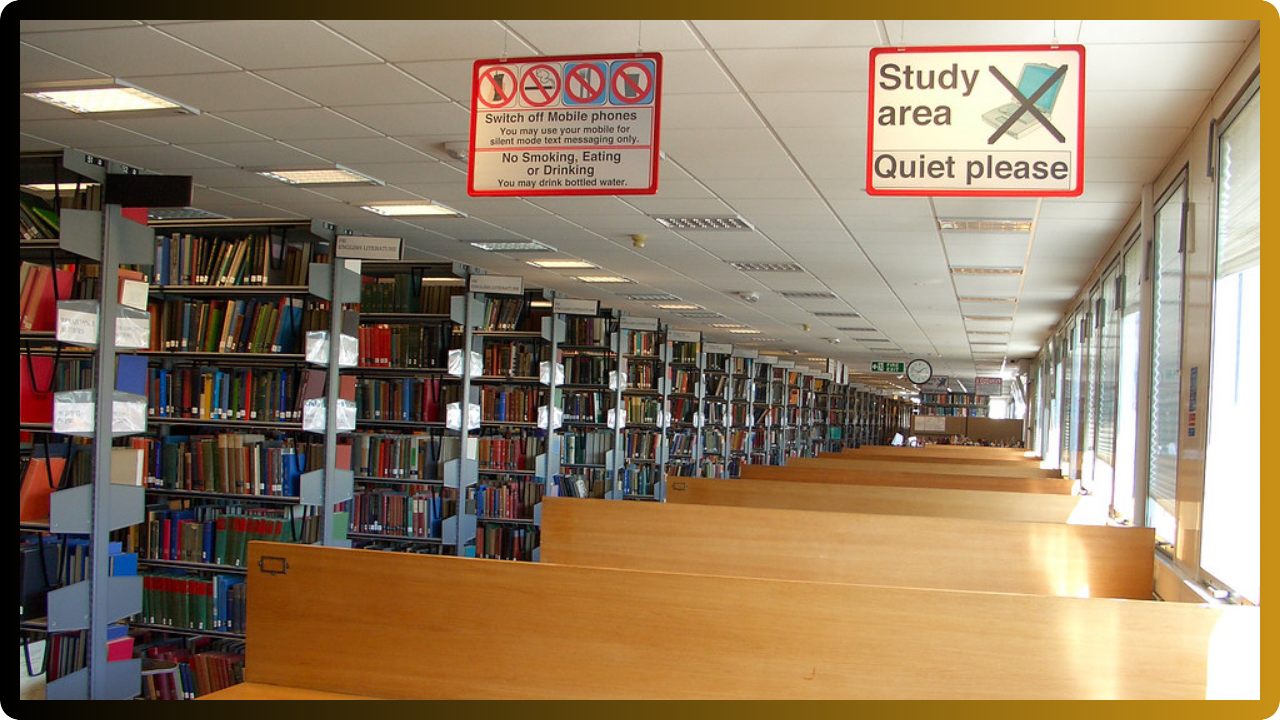
Warwick Library is one of the most important academic facilities at the University of Warwick, supporting thousands of students, researchers, and staff members throughout the year. It serves as a central hub for learning, research, collaboration, and access to valuable academic resources. The library combines traditional collections with modern digital services, creating a balanced environment for contemporary education. Students rely on its resources to complete assignments, prepare for examinations, and conduct in-depth research across various disciplines.
The importance of a university library extends beyond books and study materials. Modern academic libraries provide technology, research assistance, collaborative learning spaces, and access to specialized databases. Warwick Library has evolved to meet the changing demands of higher education by offering flexible services that support different learning styles. This commitment helps students achieve academic success while developing essential research and information literacy skills.
As higher education becomes increasingly digital, libraries remain vital to the academic experience. Warwick Library continues to adapt by expanding its online resources and enhancing physical facilities. Its role in supporting teaching, learning, and innovation makes it an essential part of university life. Understanding the services and opportunities available through the library can help students maximize their educational journey.
Extensive Academic Collections
Warwick Library provides access to a diverse collection of academic materials that support a wide range of subjects and disciplines. Students can find textbooks, scholarly publications, reference materials, and research-focused resources that contribute to deeper learning. These collections are carefully developed to meet the needs of undergraduate, postgraduate, and doctoral students. Access to reliable academic content helps learners build strong foundations in their chosen fields.
The library’s physical collections remain valuable despite the growth of digital learning. Many students prefer printed materials for focused reading and detailed note-taking. Physical books and reference works often provide comprehensive coverage of topics that support long-term academic development. Maintaining these collections ensures that students have multiple ways to engage with educational content.
Academic collections are regularly updated to reflect current research and emerging trends. This allows users to access both classic scholarly works and contemporary publications. Having a broad selection of resources encourages critical thinking and independent exploration. Such variety strengthens the library’s role as a trusted source of academic knowledge.
Digital Resources and Online Learning
Digital access has become an essential feature of modern education, and Warwick Library offers extensive online resources for students and researchers. Electronic journals, e-books, academic databases, and digital archives provide convenient access to information from virtually any location. This flexibility supports both on-campus and remote learning experiences. Students can continue their studies regardless of physical location.
Online resources help learners conduct research more efficiently by providing advanced search functions and immediate access to scholarly materials. Digital platforms allow users to explore a vast amount of information within a short period. These tools improve productivity and make academic research more accessible. The ability to retrieve information quickly is especially beneficial during intensive study periods.
The expansion of digital services reflects the changing needs of higher education. Modern learners expect instant access to high-quality information and research materials. By investing in digital collections, the library supports evolving academic practices and technological advancements. This commitment ensures that students can benefit from innovative learning opportunities throughout their studies.
Study Spaces for Different Learning Styles
One of the strengths of Warwick Library is its variety of study environments designed to accommodate different learning preferences. Some students work best in quiet spaces where they can focus without interruptions. Dedicated silent study areas provide the concentration needed for reading, writing, and examination preparation. These environments help learners maintain productivity during demanding academic periods.
The library also recognizes the importance of flexibility in learning. Comfortable seating, well-organized workstations, and accessible facilities contribute to a positive study experience. Students can choose spaces that match their individual needs and study habits. This adaptability encourages effective learning and supports academic performance.
Creating suitable study environments is an important aspect of student success. A well-designed library space can improve concentration, motivation, and time management. By offering a range of options, Warwick Library ensures that users have access to environments that support their educational goals. These facilities make the library a valuable destination for academic work.
Research Support and Information Literacy
Research skills are fundamental to higher education, and Warwick Library plays an important role in helping students develop these abilities. Access to research support services enables learners to find, evaluate, and use information effectively. Understanding how to locate credible sources is essential for producing high-quality academic work. These skills contribute to stronger assignments and research projects.
Information literacy has become increasingly important in a world where information is readily available online. Students must learn how to distinguish between reliable academic sources and less credible materials. Library support helps users navigate complex information environments with confidence. This guidance strengthens critical thinking and analytical abilities.
Research assistance benefits learners at every stage of their academic journey. Whether students are beginning a simple assignment or conducting advanced research, access to expert guidance can improve outcomes. Developing effective research habits also supports lifelong learning and professional growth. These services enhance the overall value of the library experience.
Collaborative Learning and Student Engagement
Modern education emphasizes collaboration, communication, and teamwork. Warwick Library supports these objectives by providing spaces where students can work together on projects and academic activities. Collaborative learning encourages the exchange of ideas and helps students gain different perspectives on complex topics. Working with peers can enhance understanding and improve problem-solving abilities.
Group study environments are particularly useful for presentations, discussions, and project development. Students can share knowledge, divide responsibilities, and build important interpersonal skills. These experiences prepare learners for professional environments where teamwork is often essential. Collaborative learning contributes to both academic and personal development.
Student engagement is strengthened when individuals have access to supportive learning environments. Opportunities to interact with peers can increase motivation and participation in academic activities. The library serves as a place where students can connect, learn, and achieve shared goals. This community-focused approach enhances the educational experience.
Future Development and Continuing Importance
The future of Warwick Library will be shaped by advancements in technology and evolving educational expectations. Libraries continue to expand digital collections while improving physical spaces to support modern learning practices. New technologies may enhance resource discovery, research capabilities, and personalized learning experiences. These developments will help libraries remain relevant in a rapidly changing academic landscape.
Despite technological changes, the fundamental mission of libraries remains unchanged. They continue to provide access to knowledge, support research, and promote educational achievement. Students and researchers will always need reliable sources of information and environments that encourage learning. The library’s role as a trusted academic resource will continue to be essential.
As universities embrace innovation, libraries will adapt to meet new challenges and opportunities. Enhanced digital services, flexible study spaces, and advanced research tools will shape the next generation of academic support. Warwick Library is well positioned to continue serving future learners and researchers. Its ongoing commitment to excellence ensures lasting value for the university community.
Key Features and Benefits of Warwick Library
Warwick Library offers a wide range of services and facilities that support students throughout their academic journey. From extensive research collections to modern study environments, the library is designed to meet the needs of learners from different disciplines. Its combination of physical resources and digital access helps students find information quickly and efficiently. The library also provides an inclusive environment where users can study independently or collaborate with peers on academic projects.
The library continues to evolve to meet the changing demands of higher education. By integrating technology, research support, and flexible learning spaces, it creates a productive environment for academic success. Students benefit from easy access to scholarly materials, professional guidance, and well-equipped facilities that enhance the learning experience. These advantages make Warwick Library an essential resource within the university community.
Key Features of Warwick Library:
- Extensive collection of academic books and journals
- Access to thousands of e-books and digital resources
- Quiet study zones for focused learning
- Collaborative spaces for group projects and discussions
- Research support and information literacy guidance
- Modern computer and technology facilities
- Flexible study environments for different learning styles
- Support for undergraduate, postgraduate, and research students
- Access to specialized academic databases
- Continuous development of digital learning services
FAQs
1. What is Warwick Library?
Warwick Library is the main academic library that supports learning, teaching, and research at the University of Warwick.
2. Who can use Warwick Library?
Students, researchers, faculty members, and authorized library users can access its resources and facilities.
3. Does Warwick Library provide digital resources?
Yes, the library offers access to e-books, online journals, academic databases, and other digital learning materials.
4. Are there quiet study spaces available in Warwick Library?
Yes, the library provides dedicated quiet study areas for students who need a focused learning environment.
5. How does Warwick Library support research?
Warwick Library supports research through scholarly resources, research guidance, information literacy services, and specialized databases.
Conclusion
Warwick Library is a vital part of the academic experience, offering resources, study environments, and support services that help students succeed. Its combination of traditional collections and modern digital tools creates a comprehensive learning ecosystem for users from diverse disciplines. The library supports academic achievement through research assistance, information literacy development, and access to reliable scholarly content.
The diverse facilities available within the library cater to different learning styles and educational needs. Whether students require quiet study areas, collaborative spaces, or digital resources, the library provides valuable solutions. These services contribute significantly to personal growth, academic performance, and lifelong learning. Such comprehensive support strengthens the educational journey for all users.
As higher education continues to evolve, Warwick Library remains an essential center for knowledge, innovation, and academic excellence. Its ongoing development ensures that students and researchers have access to the resources they need to thrive. By supporting learning, discovery, and collaboration, the library continues to play a crucial role in university life. Its lasting impact demonstrates the enduring importance of modern academic libraries.
