


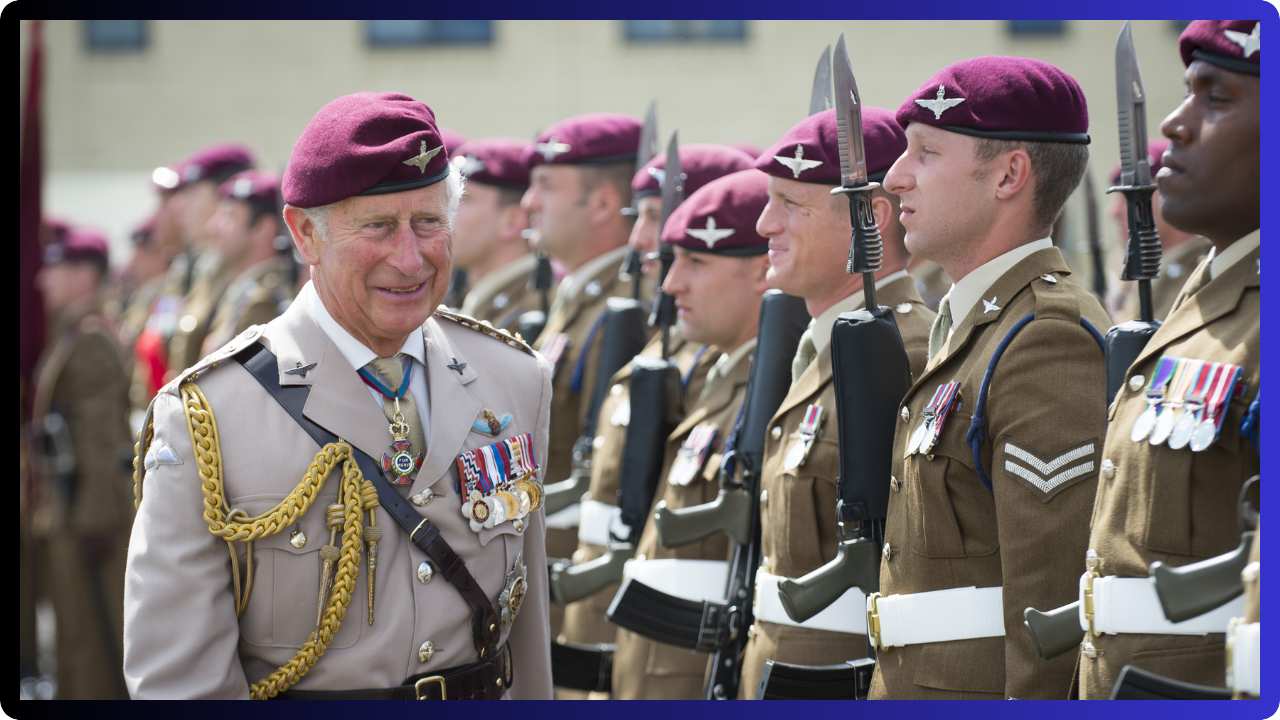
The british army uniform is one of the most recognized military clothing systems in the world. It reflects the discipline, professionalism, and heritage of the British Armed Forces while serving practical purposes in training, operations, and ceremonial events. Every element of the uniform is carefully designed to support military duties and maintain a consistent appearance across different branches and regiments.
Over the centuries, military clothing in Britain has evolved significantly. Early uniforms focused on visibility and regimental identity, while modern designs prioritize protection, comfort, and operational effectiveness. Despite these changes, many traditional elements remain important symbols of military history and national pride.
Today, the british army uniform includes multiple dress categories that meet the needs of soldiers in different situations. From combat operations to official ceremonies, each uniform is designed to balance functionality with the long-standing traditions of the British Army.
History and Evolution of British Army Uniforms
The history of British military dress dates back several centuries and reflects major developments in warfare and military organization. During the seventeenth and eighteenth centuries, British soldiers became famous for wearing bright red coats that helped identify units and create a strong battlefield presence. These uniforms became an iconic symbol of the British military.
As weapons technology improved, bright uniforms became less practical in combat environments. The military gradually introduced khaki and camouflage clothing to improve concealment and increase soldier survivability. This transition marked one of the most important changes in the history of military uniforms.
Modern military clothing combines historical influences with advanced materials and design features. While ceremonial uniforms continue to preserve traditional elements, operational clothing focuses on mobility, durability, and protection. This evolution demonstrates how the british army uniform has adapted to changing military requirements over time.
Types of British Army Uniforms
The British Army uses different uniforms depending on the nature of a soldier’s duties. Combat uniforms are designed for field operations and training exercises, while service dress is worn for official military responsibilities. Ceremonial uniforms are reserved for formal events, parades, and national occasions.
Each type of uniform serves a specific purpose while maintaining the standards and identity of the military. Combat clothing prioritizes performance and protection, whereas ceremonial attire emphasizes tradition and visual presentation. Service dress provides a balance between professionalism and practicality.
The variety of clothing systems ensures that personnel are properly equipped for different environments and responsibilities. As a result, the british army uniform remains both versatile and highly functional while preserving a consistent military image.
Key Components of the British Army Uniform
Every military uniform consists of essential components that contribute to effectiveness and professionalism. These include jackets, trousers, boots, headgear, rank insignia, and protective equipment. Each item is designed to meet specific operational and organizational requirements.
Modern military clothing uses durable materials that can withstand demanding environments. Features such as reinforced stitching, weather-resistant fabrics, and practical storage compartments improve overall functionality. These elements help soldiers perform their duties efficiently in a wide range of conditions.
Uniform accessories also play an important role in identification and command structure. Rank insignia, badges, and unit markings help distinguish personnel and establish clear leadership responsibilities. Together, these components create a complete and effective british army uniform system.
Camouflage Technology and Modern Military Clothing
Camouflage has become one of the most important aspects of modern military uniforms. Advanced patterns are designed to reduce visibility across different terrains and environmental conditions. Effective camouflage helps improve operational performance and enhances soldier safety during missions.
The British Army has adopted modern camouflage systems that perform well in diverse environments. These patterns are supported by lightweight and durable fabrics that provide comfort during extended periods of use. Technological improvements have significantly enhanced the effectiveness of military clothing.
Modern uniforms also focus on moisture control, flexibility, and environmental adaptability. These features help soldiers remain comfortable and operationally effective in challenging conditions. The continued development of camouflage technology ensures that the british army uniform meets the demands of contemporary military operations.
Rank Insignia and Identification in the British Army Uniform
Rank insignia are an essential part of the british army uniform because they clearly indicate a soldier’s position, authority, and responsibilities within the military structure. These insignia are displayed on uniforms through badges, shoulder markings, and other identification elements that help maintain an organized chain of command. Proper identification is important during both operational activities and ceremonial events.
The design and placement of rank insignia follow strict military regulations to ensure consistency across all units. Soldiers must wear these markings correctly as part of their professional appearance and adherence to uniform standards. Rank symbols also help distinguish leadership roles and improve communication within military organizations.
Common Identification Features Include:
- Rank badges and insignia
- Regiment and unit patches
- Name tapes and identification tags
- Qualification badges
- Service and achievement awards
Military Identity and the Importance of Uniform Standards
Military uniforms play a vital role in creating a sense of unity and discipline among personnel. Wearing the same clothing helps reinforce shared values, teamwork, and commitment to service. Uniform standards contribute to a professional appearance and strengthen organizational culture.
The British Army places significant emphasis on maintaining consistent dress regulations. Soldiers are expected to wear their uniforms correctly and ensure that all insignia and equipment are displayed according to official standards. These expectations help preserve military professionalism and public confidence.
Uniforms also represent the traditions and achievements of individual regiments. Distinctive badges, colors, and ceremonial features help preserve historical identities while fostering pride among serving personnel. Through these traditions, the british army uniform remains a powerful symbol of military heritage.
Ceremonial Dress and Military Traditions
Ceremonial dress remains one of the most recognizable aspects of the british army uniform and reflects centuries of military heritage. These uniforms are worn during state ceremonies, military parades, official celebrations, and other formal occasions. Their appearance often includes traditional colors, distinctive headwear, and regimental insignia that highlight the history of specific military units.
Although ceremonial uniforms are not designed for operational use, they play an important role in preserving military customs and strengthening public recognition of the British Army. They symbolize respect, discipline, and national service while showcasing the traditions that have been passed down through generations of soldiers.
Key Features of Ceremonial Uniforms:
- Traditional military designs
- Historic regimental colors
- Decorative insignia and medals
- Formal military headgear
- Specialized ceremonial accessories
Benefits and Functions of the British Army Uniform
The british army uniform serves multiple purposes beyond simply providing clothing for military personnel. It supports operational effectiveness by offering protection, durability, and comfort in a variety of environments. Modern materials and advanced construction techniques ensure that soldiers can perform their duties efficiently while maintaining a professional appearance.
Uniforms also contribute to military identity and teamwork by creating a sense of unity among personnel. Wearing the same standardized clothing helps reinforce discipline, morale, and commitment to shared values. These benefits make the uniform an important part of both daily military operations and the overall culture of the British Army.
Major Functions of Military Uniforms:
- Promote discipline and professionalism
- Improve operational efficiency
- Enhance soldier identification
- Support safety and protection
- Strengthen unit cohesion and morale
- Preserve military traditions and heritage
The Future of the British Army Uniform
Military clothing continues to evolve as technology and operational requirements change. Researchers are exploring new materials that offer greater durability, comfort, and protection without increasing weight. These innovations aim to improve soldier performance while reducing physical strain.
Future uniforms may include smart technologies that enhance communication, environmental monitoring, and situational awareness. Such developments could help soldiers respond more effectively to complex operational environments. Advances in textile engineering are expected to play a major role in these improvements.
Although technology will continue to shape military clothing, tradition will remain an important part of uniform design. The future british army uniform is likely to combine modern innovation with the heritage and values that have defined the British Army for generations.
FAQs
What is the purpose of the British Army uniform?
The British Army uniform provides identification, protection, professionalism, and functionality for military personnel.
How many types of British Army uniforms are there?
The British Army uses combat, service dress, ceremonial, and specialized uniforms for different duties.
What camouflage pattern does the British Army use?
The British Army primarily uses the Multi-Terrain Pattern (MTP) for operational and field environments.
Why are rank insignia important on military uniforms?
Rank insignia help identify leadership positions, responsibilities, and the chain of command.
Do British Army ceremonial uniforms differ from combat uniforms?
Yes, ceremonial uniforms focus on tradition and appearance, while combat uniforms are designed for operational effectiveness and protection.
Conclusion
The british army uniform is much more than standard military clothing. It represents centuries of military tradition, professional standards, and the commitment of soldiers serving in the British Army. From historic red coats to advanced camouflage systems, the uniform has continuously evolved to meet changing military requirements while preserving its strong connection to British military heritage.
Modern military uniforms are designed to provide protection, comfort, durability, and functionality across a wide range of environments. Whether worn during training exercises, operational deployments, or ceremonial events, each type of uniform serves a specific purpose. The careful design of clothing, insignia, and equipment helps ensure that soldiers can perform their duties effectively while maintaining a professional appearance.
As military technology continues to advance, the british army uniform will likely incorporate new materials and innovative features that further improve performance and safety. Despite these developments, the uniform will remain a powerful symbol of discipline, service, unity, and national pride. Its enduring significance ensures that it will continue to reflect the values and traditions of the British Army for future generations.
