


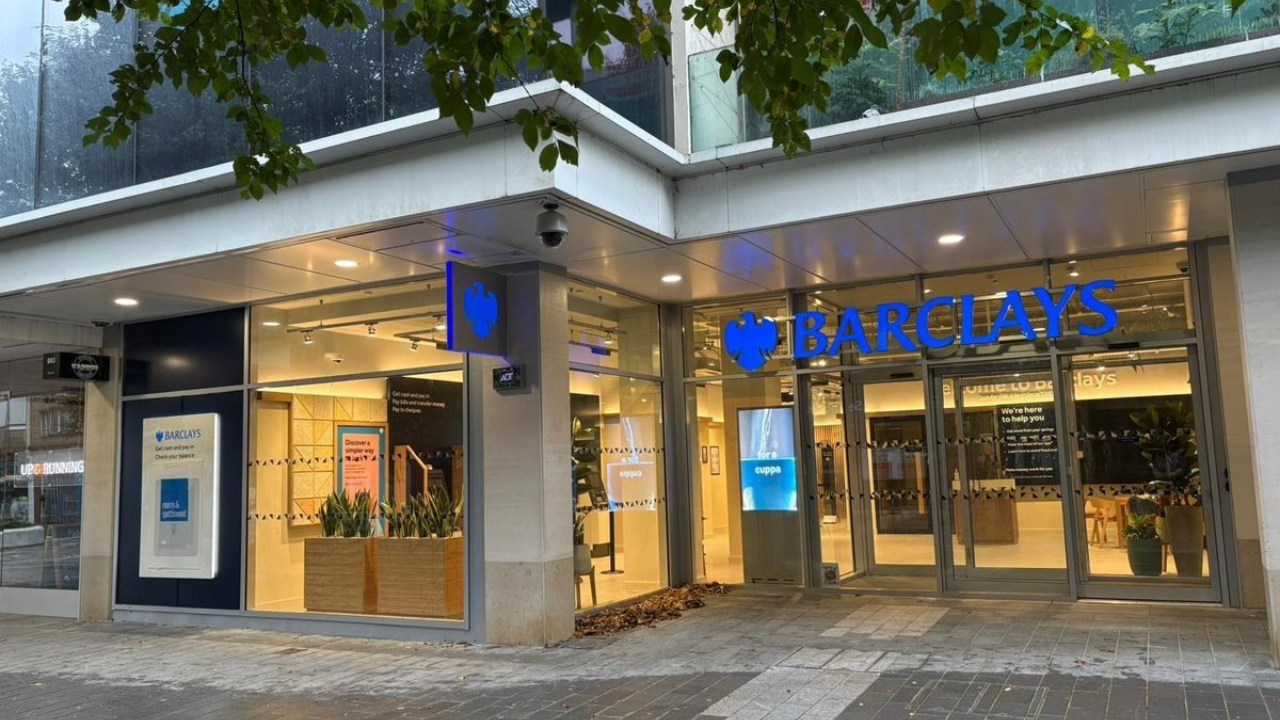
For years, UK banking has moved steadily towards online and mobile services, with high-street branches becoming less common. Barclays has been part of that wider transformation, but recent developments suggest that face-to-face banking still has an important role to play.
The topic of Barclays New Bank Branches has attracted attention because the bank has been reported as taking a different approach to its physical network. Rather than simply focusing on closures, Barclays has been looking at how branches can provide more useful services alongside digital banking. Recent reports say the bank has paused further closures while considering ways to strengthen its branch presence and customer support.
This article explains what is known about the changing Barclays branch strategy, why physical locations still matter, what customers may expect from modern branches and how to find the most accurate information about a branch near them.
Who Is Barclays and Why Do Its Branches Matter?

Barclays is one of the UK’s major banking groups, providing current accounts, savings, lending, mortgages, business banking and other financial services. Although many everyday transactions can now be completed through online banking or a mobile app, branches continue to offer an important option for customers who want face-to-face assistance.
The importance of physical branches has become particularly noticeable when customers need help with complicated financial matters. Issues involving mortgages, business banking, account problems, fraud concerns or significant financial decisions may be easier to discuss directly with a member of staff.
The changing strategy behind Barclays New Bank Branches therefore reflects a broader question facing the banking industry: how can banks provide the convenience of digital services without losing the personal support offered by physical locations?
Barclays appears to be moving towards a hybrid model in which digital banking and branch services work together rather than one completely replacing the other. This approach can give customers more choice over how they manage their finances.
What Is Happening With Barclays New Bank Branches?
The biggest change is the reported shift away from treating branch closures as the only long-term direction. According to recent reports, Barclays has paused its branch closure programme and is assessing opportunities to improve its physical network. Reports have also highlighted renewed attention to branch staffing and customer-facing bank manager roles.
This does not necessarily mean that Barclays is planning to return to the very large branch network it had decades ago. The modern banking environment is very different. Customers increasingly use smartphones for payments, transfers, balance checks and other routine services.
Instead, the emphasis appears to be on making remaining and potentially new locations more valuable to customers.
A modern Barclays branch may therefore focus less on simple transactions and more on:
- Personal financial guidance
- Complex account support
- Mortgage and lending discussions
- Business banking assistance
- Fraud and security concerns
- Digital banking support
- Longer-term customer relationships
Reports have also indicated that Barclays has added thousands of annual branch-opening hours, suggesting an effort to make physical banking more accessible.
Customers should, however, distinguish between reported strategic plans and confirmed new branch openings. Specific locations, opening dates and available services can change, so the official Barclays branch information should always be checked before travelling.
Why Is Barclays Investing More Attention in Physical Banking?
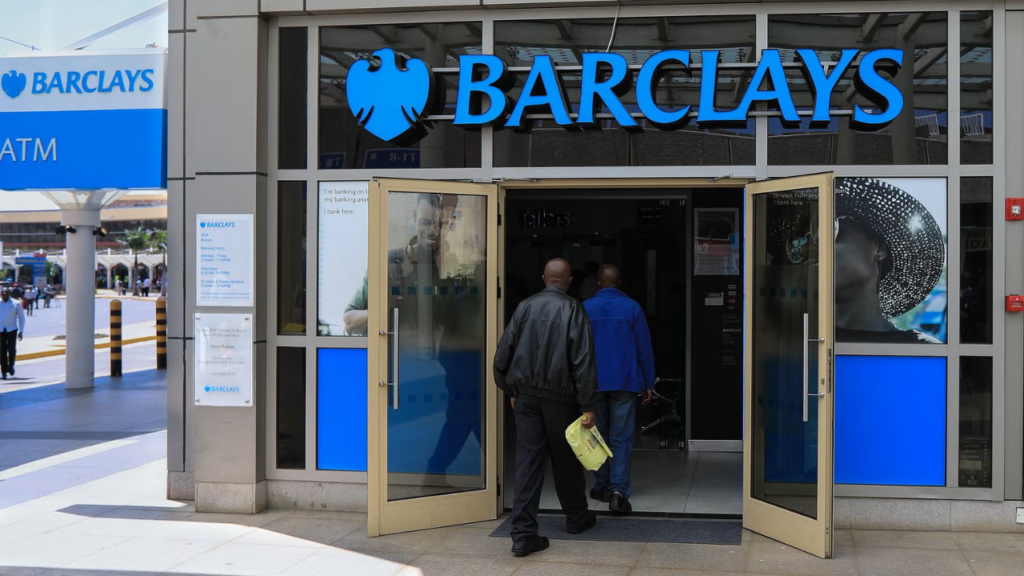
The rise of digital banking has brought major benefits, but it has not eliminated the need for face-to-face service.
For straightforward tasks, using an app can be faster than visiting a branch. However, customers sometimes need more detailed assistance. A person dealing with a major financial decision may prefer to explain their circumstances to someone rather than rely entirely on an automated system.
Physical branches can also play an important role in accessibility. Some customers are less comfortable with digital banking, while others may need additional assistance because of disability, age, language barriers or the complexity of their financial situation.
There is also a community element. A local bank branch can remain a visible and familiar point of contact, particularly in towns where financial services have gradually disappeared from the high street.
For Barclays, maintaining a physical presence can therefore support several objectives:
- Improving customer confidence
- Providing personal assistance
- Supporting small businesses
- Helping customers with complex financial needs
- Maintaining a presence in local communities
- Complementing digital banking services
The strategy is particularly interesting because digital-only banks have become increasingly competitive. Revolut, for example, received approval to launch a UK bank in 2026, increasing competition for established high-street providers even though Revolut has historically operated without a traditional branch network.
What Services Could Customers Expect From New Barclays Branches?
The exact services offered will depend on the individual branch, but the modern Barclays branch model is likely to place greater emphasis on advice and support rather than simply providing traditional counters.
Customers may be able to receive help with everyday account questions, cash and cheque services where available, digital banking assistance and appointments concerning lending or other financial products.
For business customers, branch support can be particularly useful. Small business owners may need help understanding banking arrangements, managing payments or discussing financing options.
Another important area is digital support. A physical branch does not have to compete with the Barclays mobile app. Instead, staff can help customers become more confident using digital tools while remaining available when an issue cannot easily be solved online.
This creates a more flexible experience. A customer might check their balance on a smartphone, make routine payments online and then visit a branch when they need detailed advice.
That combination is one of the strongest arguments for the Barclays New Bank Branches strategy.
How Can You Find a New or Existing Barclays Branch?
Customers looking for a Barclays location should be careful when relying on old articles or social media posts. Branch networks can change, and information published several months ago may no longer reflect the current situation.
The safest approach is to check Barclays’ own branch information before making a journey. Customers should confirm:
- The branch’s current address
- Opening hours
- Available services
- Whether appointments are required
- Cash and cheque facilities
- Accessibility information
- Any temporary changes to opening times
It is also worth remembering that a branch may offer different services from another Barclays location. A location designed mainly for advice and appointments may not provide exactly the same facilities as a traditional banking branch.
Customers who cannot access a nearby branch may also have alternative options through Barclays’ digital banking services and other banking channels.
As the branch strategy develops, official Barclays information should remain the best source for confirming whether a particular location is open and what services it provides.
FAQs About Barclays New Bank Branches
Is Barclays opening new bank branches?
Barclays has been reported as reassessing and strengthening its physical branch network, although specific new locations and opening dates should be confirmed through official Barclays information.
Why is Barclays changing its branch strategy?
The bank appears to be responding to continuing demand for face-to-face assistance while maintaining its investment in digital banking.
Are Barclays branches still closing?
Barclays has reportedly paused further branch closures as part of a review of its physical banking strategy, but individual locations can still change.
What services will new Barclays branches provide?
Services can include account assistance, financial guidance, lending discussions, business support and help with digital banking, depending on the location.
Will Barclays continue to offer online banking?
Yes. Physical branches are expected to complement rather than replace Barclays’ digital banking services.
How can I check whether my local Barclays branch is open?
Use Barclays’ official branch information to check the latest opening times, address and services before visiting.
Conclusion
The story surrounding Barclays New Bank Branches represents an interesting change in the UK’s banking landscape. After years in which digital banking and branch closures dominated the conversation, Barclays is putting renewed attention on the value of physical customer service.
The aim is not necessarily to return to the old banking model. Instead, the emerging approach appears to combine modern digital tools with face-to-face support for customers who need it.
For customers, that could mean greater choice. Routine banking can remain quick and convenient through apps and online services, while branches can provide personal assistance when a financial situation requires more explanation or specialist support.
Because branch plans and individual locations can change, customers should always verify the latest information before travelling. Nevertheless, the renewed focus on physical banking suggests that the traditional high-street branch may still have a meaningful role in the future of UK banking.
For More Info! Quickfuture
