


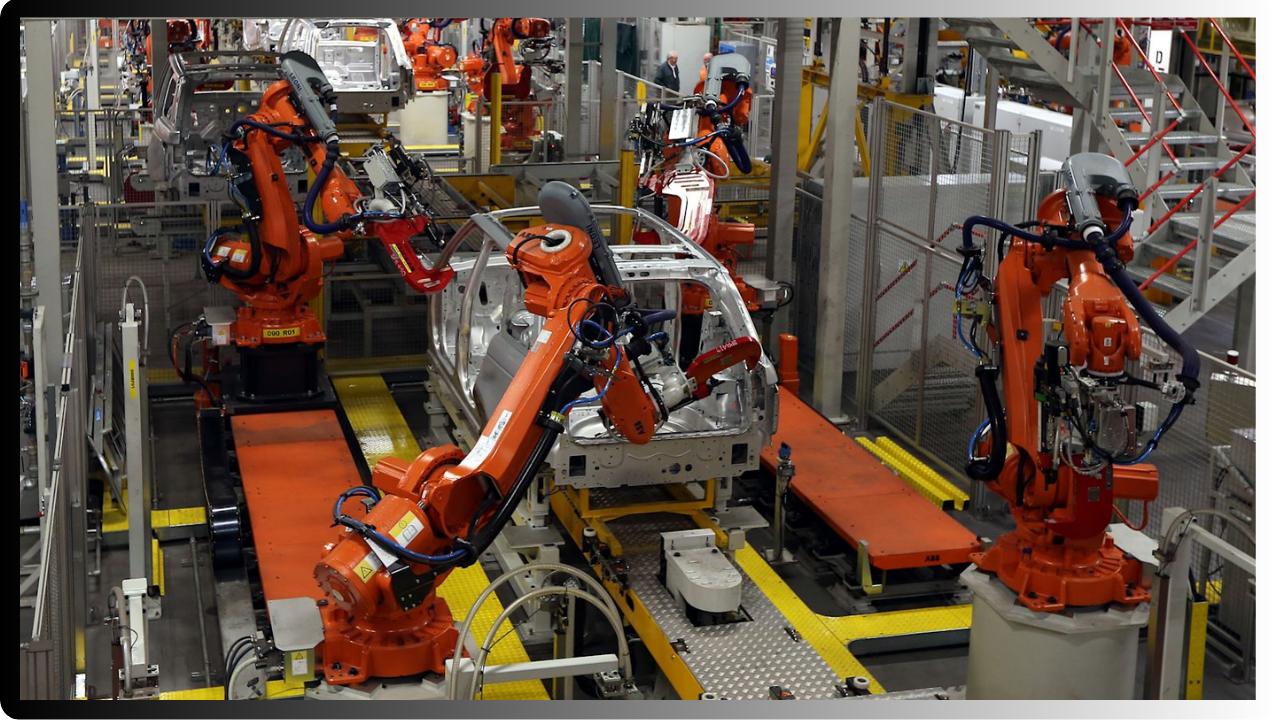
The jaguar land rover supplier collapse has become a significant topic within the global automotive industry. Supply chains play a crucial role in vehicle manufacturing, and any disruption involving key suppliers can create challenges for production schedules, operational efficiency, and customer deliveries. As one of the world’s leading luxury vehicle manufacturers, Jaguar Land Rover relies on a vast network of suppliers to provide essential components and materials. When supplier-related issues arise, the effects can extend far beyond a single company and impact the broader automotive market.
Recent discussions surrounding the jaguar land rover supplier collapse have highlighted the growing pressures facing automotive suppliers. Rising production costs, inflation, labor shortages, and economic uncertainty have created difficult conditions for many businesses operating within the supply chain. These challenges have increased concerns about financial stability and long-term sustainability across the sector. Industry experts continue to monitor these developments closely as manufacturers work to strengthen resilience and reduce future risks.
The jaguar land rover supplier collapse also serves as an important reminder of how interconnected modern manufacturing has become. Even minor disruptions can affect production timelines, inventory management, and vehicle availability. As automotive companies continue investing in new technologies and electrification initiatives, maintaining strong supplier relationships has become more important than ever. Understanding the causes, consequences, and lessons from this situation provides valuable insights into the future of automotive supply chain management.
Early Warning Signs of Industry Disruption
The automotive sector often experiences warning signs before major supply chain problems emerge. The jaguar land rover supplier collapse became a significant topic because supplier instability can affect production and business operations. Industry experts closely monitor financial performance, operational efficiency, and market conditions to identify potential risks. When suppliers face ongoing challenges, the possibility of a jaguar land rover supplier collapse becomes a concern for manufacturers and investors alike. Early detection of these issues helps companies prepare for potential disruptions.
Economic pressures have increased significantly in recent years. Rising costs, inflation, and changing consumer demand have placed considerable strain on many businesses. These factors contribute to concerns surrounding a potential jaguar land rover supplier collapse, especially among suppliers operating with narrow profit margins. Companies that fail to adapt to these challenges may experience reduced profitability and operational difficulties. Such conditions highlight why discussions about the jaguar land rover supplier collapse continue to attract industry attention.
Manufacturers increasingly focus on risk management and supplier assessments to reduce exposure to disruptions. Financial reviews, performance monitoring, and strategic planning help identify weaknesses before they escalate. Lessons learned from the jaguar land rover supplier collapse demonstrate the importance of proactive supply chain oversight. Businesses that strengthen supplier relationships and improve operational visibility are better positioned to manage future challenges. These efforts contribute to greater stability across the automotive industry.
Financial Pressures Across the Supply Chain
Automotive suppliers operate in a competitive environment where efficiency and cost control are essential. The jaguar land rover supplier collapse highlights how financial pressures can impact even experienced suppliers. Rising material costs, labor expenses, and energy prices have reduced profit margins across the industry. Many suppliers must balance increasing operational costs while maintaining quality standards and production commitments. This challenge continues to influence discussions about the jaguar land rover supplier collapse.
The shift toward advanced vehicle technologies has created additional financial demands. Suppliers are required to invest in research, development, and manufacturing upgrades to remain competitive. These investments can place significant pressure on companies with limited financial resources. As a result, concerns regarding the jaguar land rover supplier collapse have become part of broader conversations about industry transformation. Businesses unable to adapt may face long-term financial difficulties.
Global market uncertainty has also increased operational risks for suppliers. Transportation disruptions, economic fluctuations, and supply shortages create ongoing challenges. These factors can weaken business performance and contribute to situations similar to the jaguar land rover supplier collapse. Industry leaders continue exploring strategies to improve resilience and reduce vulnerability to future disruptions. Strong financial planning remains critical for long-term success.
Effects on Manufacturing and Vehicle Availability
Supply chain disruptions can significantly affect vehicle production and delivery schedules. The jaguar land rover supplier collapse demonstrates how supplier-related issues can create delays throughout the manufacturing process. Modern vehicles depend on thousands of components sourced from specialized suppliers worldwide. When critical parts become unavailable, production schedules may require adjustments. This reality explains why the jaguar land rover supplier collapse generated widespread industry interest.
Manufacturers often face increased costs when alternative suppliers must be sourced quickly. Additional testing, quality verification, and logistics arrangements may be necessary to maintain production. The impact of the jaguar land rover supplier collapse extends beyond suppliers and directly affects manufacturing efficiency. Delays can also influence dealership inventory levels and customer delivery expectations. These challenges emphasize the importance of reliable supplier networks.
Customers may experience longer waiting periods when production schedules are disrupted. Replacement parts and maintenance services can also be affected by supply shortages. Discussions surrounding the jaguar land rover supplier collapse often focus on these practical consequences for vehicle owners. Maintaining a stable supply chain helps manufacturers meet customer expectations while supporting operational performance. Supply chain reliability remains a key factor in automotive success.
Market Reaction and Industry Response
The automotive market closely watches major supply chain disruptions because they can affect production forecasts and investor confidence. The jaguar land rover supplier collapse attracted attention from analysts who viewed it as a reminder of the vulnerabilities within global manufacturing networks. Industry experts emphasized the importance of strengthening supplier relationships and improving risk management processes. Discussions surrounding the jaguar land rover supplier collapse also encouraged manufacturers to review contingency plans and sourcing strategies.
Many automotive companies responded by increasing supply chain monitoring and evaluating alternative supplier options. The jaguar land rover supplier collapse highlighted the need for greater flexibility when unexpected disruptions occur. Businesses across the sector have continued investing in resilience measures to reduce the likelihood of similar challenges affecting future operations. These actions demonstrate how the jaguar land rover supplier collapse influenced broader industry planning.
Key Industry Responses:
- Increased supplier risk assessments
- Greater investment in supply chain resilience
- Expansion of alternative sourcing strategies
- Enhanced inventory management practices
- Stronger collaboration between manufacturers and suppliers
These responses demonstrate how manufacturers are adapting to modern supply chain risks. The lessons from the jaguar land rover supplier collapse continue to influence strategic planning across the automotive industry.
Role of Global Economic Conditions
Global economic conditions play a significant role in determining the financial health of automotive suppliers. The jaguar land rover supplier collapse occurred during a period when many businesses were dealing with inflationary pressures, rising borrowing costs, and economic uncertainty. These factors increased operational expenses and made it more difficult for some suppliers to maintain stable profit margins. Concerns related to the jaguar land rover supplier collapse reflect wider challenges facing manufacturers around the world.
Economic fluctuations often create unpredictable business environments that require careful financial management. The jaguar land rover supplier collapse serves as an example of how external economic pressures can affect supply chain stability. Industry leaders continue to monitor market conditions while developing strategies to strengthen supplier resilience. Lessons from the jaguar land rover supplier collapse reinforce the importance of long-term financial planning.
Major Economic Challenges:
- Rising inflation across global markets
- Increased borrowing and financing costs
- Higher transportation expenses
- Volatile raw material pricing
- Uncertain consumer demand patterns
Understanding these economic pressures helps businesses prepare for future uncertainty. Companies that adapt effectively are often better positioned to avoid challenges similar to the jaguar land rover supplier collapse.
Impact on Future Vehicle Programs
Future vehicle development projects can be affected when supply chain disruptions occur. The jaguar land rover supplier collapse raised concerns about how supplier instability might influence upcoming vehicle launches and production schedules. Manufacturers depend on reliable suppliers to provide components required for new technologies, safety systems, and advanced vehicle features. As a result, the jaguar land rover supplier collapse became relevant to discussions about future product planning.
Automotive companies are increasingly focusing on supplier reliability during the development phase of new vehicles. The jaguar land rover supplier collapse demonstrated why manufacturers must assess supplier capabilities before committing to long-term production programs. Strong supplier partnerships help ensure that future vehicle projects remain on schedule and meet quality expectations. This approach reduces risks associated with events similar to the jaguar land rover supplier collapse.
Potential Effects on Vehicle Development:
- Delayed production timelines
- Extended testing and validation processes
- Increased manufacturing costs
- Greater focus on supplier diversification
- Adjustments to future product strategies
Reliable supplier networks remain essential for successful vehicle launches. The experience of the jaguar land rover supplier collapse highlights the importance of careful planning throughout the development process.
Lessons for Supply Chain Management
Modern supply chains require constant evaluation and improvement to remain effective. The jaguar land rover supplier collapse highlighted the importance of identifying risks before they escalate into major operational problems. Companies that regularly assess supplier performance and financial stability are better prepared to respond to disruptions. The experience of the jaguar land rover supplier collapse has encouraged many organizations to strengthen supply chain oversight.
Businesses are also investing in technology to improve visibility across their supplier networks. The jaguar land rover supplier collapse demonstrated how real-time data and predictive analytics can support better decision-making. Enhanced monitoring systems help companies identify warning signs and implement corrective measures more quickly. These lessons from the jaguar land rover supplier collapse continue to shape supply chain strategies throughout the automotive industry.
Key Supply Chain Lessons:
- Build stronger supplier relationships
- Improve risk assessment frameworks
- Invest in digital monitoring tools
- Maintain sourcing flexibility
- Develop comprehensive contingency plans
Organizations that apply these lessons can improve operational resilience and efficiency. The long-term impact of the jaguar land rover supplier collapse may ultimately lead to stronger and more adaptable supply chains.
Building a More Resilient Future
Automotive companies are investing heavily in strategies designed to strengthen supply chain resilience. The jaguar land rover supplier collapse has encouraged manufacturers to reevaluate supplier management practices. Diversifying supplier networks reduces dependence on individual companies and helps minimize operational risks. This approach provides greater flexibility when unexpected disruptions occur. Many organizations now view the lessons from the jaguar land rover supplier collapse as valuable guidance for future planning.
Technology is becoming increasingly important in supply chain management. Advanced monitoring systems help identify potential risks before they affect production. Improved forecasting and real-time analytics allow manufacturers to respond more quickly to changing market conditions. These innovations can help prevent situations similar to the jaguar land rover supplier collapse from causing widespread disruption. Digital transformation continues to reshape supply chain operations across the industry.
Collaboration between manufacturers and suppliers remains essential for long-term stability. Strong partnerships encourage transparency, communication, and shared problem-solving. The experience surrounding the jaguar land rover supplier collapse highlights the importance of building trusted relationships throughout the supply chain. Companies that invest in resilience, innovation, and cooperation are better prepared for future challenges. These strategies will play a critical role in shaping the future of automotive manufacturing.
FAQs
1. What is the Jaguar Land Rover supplier collapse?
The jaguar land rover supplier collapse refers to supplier-related financial or operational failures that disrupt the company’s supply chain.
2. How does the Jaguar Land Rover supplier collapse affect vehicle production?
It can cause component shortages, production delays, and longer delivery times for customers.
3. What factors contributed to the Jaguar Land Rover supplier collapse?
Rising costs, inflation, supply chain disruptions, and economic uncertainty are among the main contributing factors.
4. Can the Jaguar Land Rover supplier collapse impact vehicle prices?
Yes, supply shortages and increased manufacturing costs can potentially influence vehicle pricing.
5. What lessons can manufacturers learn from the Jaguar Land Rover supplier collapse?
Manufacturers can improve supplier diversification, risk management, and supply chain monitoring to reduce future disruptions.
Conclusion
The jaguar land rover supplier collapse highlights the growing challenges facing automotive manufacturers and suppliers in an increasingly complex global market. Rising operational costs, supply chain disruptions, and economic uncertainty have placed significant pressure on businesses throughout the automotive ecosystem. These factors demonstrate how supplier stability remains a critical component of successful vehicle production and long-term industry growth.
The impact of the jaguar land rover supplier collapse extends beyond a single manufacturer and reflects broader concerns affecting the automotive sector. Production schedules, vehicle availability, and future development programs can all be influenced when key suppliers experience financial or operational difficulties. As a result, manufacturers are placing greater emphasis on resilience, diversification, and proactive risk management strategies.
Looking ahead, the lessons learned from the jaguar land rover supplier collapse may help shape stronger and more adaptable supply chains across the industry. Companies that invest in technology, strengthen supplier partnerships, and improve operational visibility will be better equipped to navigate future challenges. These efforts can support sustainable growth while ensuring greater stability in an evolving automotive landscape.
