


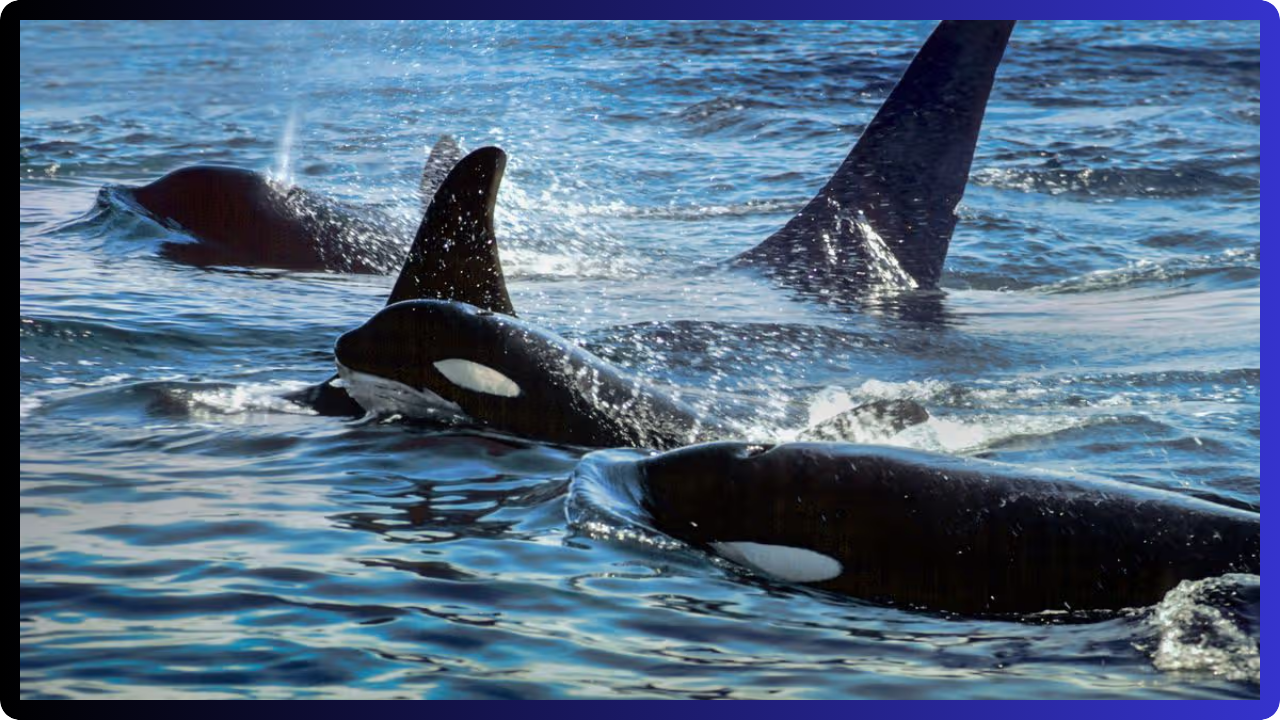
Whale watching is one of the most exciting wildlife experiences for travelers who love nature and the ocean. It offers a rare chance to see the world’s largest marine mammals in their natural environment, including humpback whales, blue whales, orcas, and sperm whales. Many coastal regions around the world are known as the best places to watch whales because of their rich marine ecosystems and predictable whale migration patterns. These destinations attract millions of visitors every year who come to witness breaching, tail slapping, and feeding behaviors up close.
The popularity of whale watching has grown rapidly due to increased interest in eco-tourism and wildlife conservation. Travelers now prefer meaningful experiences that connect them with nature while supporting local communities and marine protection efforts. As a result, the best places to watch whales have become important hubs for sustainable tourism, education, and environmental awareness. Tour operators in these regions follow strict guidelines to ensure minimal disturbance to whales.
Another important factor is the seasonal movement of whales across oceans. Different species migrate thousands of kilometers between feeding and breeding grounds, creating excellent viewing opportunities at specific times of the year. Understanding these patterns helps travelers choose the right destination and season. This makes planning a visit to the best places to watch whales both exciting and rewarding for wildlife enthusiasts.
Best Whale Watching Destinations for First-Time Travelers
For travelers experiencing whale watching for the first time, choosing the right destination can make a significant difference. Locations with high sighting success rates and experienced tour operators provide a more enjoyable introduction to this exciting activity. Many of the best places to watch whales are known for their consistent whale populations and accessible viewing opportunities. These destinations often offer guided tours that help visitors learn about whale behavior and marine ecosystems.
First-time whale watchers typically benefit from visiting regions where whales are present for extended periods throughout the year. Areas with protected marine environments and abundant food sources attract large numbers of whales, increasing the likelihood of sightings. Calm coastal waters also create better viewing conditions and a more comfortable experience for visitors. This combination of accessibility and reliability makes certain destinations ideal for beginners.
Popular beginner-friendly whale-watching destinations include Iceland, Alaska, Canada, and parts of Australia. These locations offer excellent infrastructure, knowledgeable guides, and a variety of whale species. Travelers can enjoy educational experiences while observing whales in their natural habitats. For many visitors, these destinations become the starting point for a lifelong interest in marine wildlife and ocean conservation.
Best Places to Watch Whales During Migration Seasons
Whale migration is one of nature’s most impressive events, involving thousands of whales traveling vast distances between feeding and breeding grounds. Watching these migrations provides a unique opportunity to witness large numbers of whales in a relatively short period. Many of the best places to watch whales are located along major migration routes where whale activity peaks during specific months of the year.
Migration seasons vary depending on species and geographical location. Humpback whales, for example, undertake some of the longest migrations in the animal kingdom, moving between colder feeding waters and warmer breeding areas. Coastal regions situated along these routes often experience increased whale sightings, attracting wildlife enthusiasts and photographers from around the world. Planning a trip around migration periods can greatly improve viewing success.
Destinations such as Australia’s eastern coast, Baja California, and parts of South Africa are famous for seasonal whale migrations. During peak migration months, visitors may witness breaching, tail slapping, and other spectacular behaviors. These experiences provide insight into the remarkable journeys whales undertake every year. Migration-focused whale watching remains one of the most rewarding ways to observe marine wildlife.
Marine Ecosystems That Support Whale Populations
Healthy marine ecosystems play a critical role in supporting whale populations across the globe. Whales depend on nutrient-rich waters filled with krill, plankton, and fish to meet their enormous dietary needs. Many of the best places to watch whales are located in regions where ocean currents create ideal feeding conditions. These productive habitats attract whales and support diverse marine life.
Ocean upwellings are particularly important because they bring nutrient-rich water from deep below the surface. This process stimulates the growth of plankton, which forms the foundation of many marine food chains. Areas with strong upwellings often become feeding hotspots for whales, especially during certain seasons. The abundance of food encourages whales to remain in these regions for extended periods.
Protecting marine ecosystems is essential for maintaining healthy whale populations. Pollution, overfishing, and climate change can disrupt food supplies and migration patterns. Conservation efforts aimed at preserving ocean habitats benefit not only whales but also countless other marine species. Understanding the connection between whales and their environment helps travelers appreciate the ecological importance of whale-watching destinations.
Best Places to Watch Whales for Photography Enthusiasts
Whale photography has become increasingly popular among wildlife and travel photographers. Capturing a breaching humpback whale or a pod of orcas swimming through the ocean creates unforgettable images. Many of the best places to watch whales offer clear waters, dramatic coastlines, and frequent whale activity, making them ideal for photography. Locations with experienced tour operators often position boats carefully to maximize viewing opportunities while respecting wildlife guidelines.
Photographers should consider factors such as lighting, weather, and whale behavior when planning their trips. Early morning and late afternoon excursions often provide the best natural lighting conditions. Patience and preparation are essential, as whales may surface unexpectedly and only for brief moments. Choosing a destination known for consistent sightings can significantly improve the chances of capturing remarkable wildlife photographs.
Essential Photography Tips for Whale Watching
- Use a camera with a fast shutter speed.
- Bring a telephoto lens for distant subjects.
- Shoot during early morning or late afternoon.
- Keep extra batteries and memory cards available.
- Protect equipment from water and sea spray.
- Practice patience while waiting for whale activity.
Following these photography techniques can help capture sharper and more dramatic whale images. Proper preparation often makes the difference between ordinary photos and extraordinary wildlife shots.
Whale Watching From Shore vs Boat Tours
Many travelers wonder whether whale watching is better from land or by boat. Shore-based whale watching can be an excellent option in locations where whales pass close to the coastline. This method is often more affordable and accessible while still offering impressive views during migration seasons. Several of the best places to watch whales provide dedicated observation points that attract visitors throughout the year.
Boat tours, however, generally offer closer encounters and greater flexibility in locating whale activity. Experienced captains can follow whale movements while maintaining safe distances required by conservation regulations. Although weather conditions can affect boat trips, many travelers prefer the immersive experience of being on the water. Both options can provide memorable whale sightings depending on the destination and season.
Comparison of Shore and Boat Whale Watching
Shore-Based Whale Watching Benefits
- Lower overall cost.
- No risk of seasickness.
- Easy access for families.
- Great for casual wildlife observation.
Boat Tour Benefits
- Closer whale encounters.
- Better viewing angles.
- Access to offshore whale habitats.
- Guidance from experienced marine experts.
Whale enthusiasts often try both methods to experience different viewing opportunities. Combining shore observations with a guided boat tour can provide a complete whale-watching experience.
Economic Impact of Whale Watching Tourism
Whale watching has evolved into a major component of the global wildlife tourism industry. Coastal communities benefit from visitor spending on accommodations, transportation, restaurants, and guided tours. In many regions, whale watching supports thousands of jobs and contributes significantly to local economies. The popularity of the best places to watch whales continues to generate economic opportunities while promoting environmental awareness.
Sustainable whale-watching tourism also encourages governments and organizations to invest in marine conservation efforts. Revenue generated from tourism often supports research programs, habitat protection, and educational initiatives. As more travelers seek eco-friendly experiences, whale watching demonstrates how conservation and economic development can work together. This balance helps ensure long-term benefits for both local communities and marine ecosystems.
Economic Benefits of Whale Watching Tourism
- Creates employment opportunities in coastal regions.
- Supports local hotels and hospitality businesses.
- Generates revenue for conservation projects.
- Encourages sustainable tourism development.
- Increases awareness of marine ecosystems.
- Attracts international visitors and tourism investment.
These economic contributions help strengthen local communities and encourage environmental stewardship. Many destinations rely on whale-watching tourism as an important source of sustainable income.
Future of Whale Watching and Marine Conservation
The future of whale watching depends heavily on ongoing conservation efforts and responsible tourism practices. Advances in marine research have improved understanding of whale migration patterns, communication, and population trends. These discoveries help scientists develop better strategies for protecting whales and their habitats. Many of the best places to watch whales actively support conservation programs designed to safeguard marine biodiversity.
Climate change, pollution, and habitat degradation remain significant challenges for whale populations worldwide. Continued public interest in whale watching can play a positive role by raising awareness about ocean conservation. Responsible tourism encourages travelers to value and protect marine environments while enjoying unique wildlife experiences. By supporting sustainable practices, future generations will continue to have opportunities to witness whales in their natural habitats.
Key Conservation Priorities for the Future
- Protect whale migration routes.
- Reduce ocean pollution.
- Support marine wildlife research.
- Expand protected marine areas.
- Promote responsible whale-watching practices.
- Strengthen international conservation partnerships.
These conservation measures are critical for maintaining healthy whale populations around the world. Continued cooperation between governments, scientists, and travelers will help secure a sustainable future for marine wildlife.
How to Make the Most of Your Whale Watching Experience
Preparation can greatly enhance any whale-watching adventure. Before setting out, travelers should research the local whale species, seasonal conditions, and weather forecasts. Understanding what to expect increases appreciation for the experience and helps visitors recognize different whale behaviors. Visiting one of the best places to watch whales becomes even more rewarding when travelers are informed and prepared.
Comfort and safety are also important considerations during whale-watching excursions. Dressing in layers, bringing sun protection, and carrying binoculars can improve the overall experience. Cameras with zoom capabilities are useful for capturing memorable moments without disturbing wildlife. Being prepared for changing weather conditions ensures that visitors can focus on enjoying the trip rather than dealing with discomfort.
Patience is often one of the most valuable qualities during whale watching. Wildlife sightings can be unpredictable, and each outing offers a unique experience. Even when whales are not immediately visible, the surrounding marine environment often provides opportunities to observe dolphins, seabirds, and other wildlife. Maintaining realistic expectations and appreciating the natural setting helps create a more fulfilling and memorable whale-watching adventure.
FAQs
1. What are the best places to watch whales in the world?
The best places to watch whales include Iceland, Alaska, Australia, New Zealand, and Canada due to high whale activity and migration routes.
2. When is the best time for whale watching?
The best time depends on location, but generally spring and summer offer the highest whale sighting chances.
3. Can whales be seen from the shore?
Yes, in some regions like Canada and Australia, whales can often be seen from coastal viewpoints during migration seasons.
4. Which whale species are most commonly seen?
Humpback whales, orcas, gray whales, blue whales, and sperm whales are among the most frequently observed species.
5. Is whale watching safe for tourists?
Yes, whale watching is safe when done with licensed operators who follow responsible wildlife viewing guidelines.
Conclusion
Whale watching is a truly unforgettable experience that connects people with the beauty of the ocean and its incredible marine life. Visiting the best places to watch whales allows travelers to witness powerful and graceful creatures in their natural habitat. These destinations offer not only amazing wildlife encounters but also educational insights into marine ecosystems and conservation efforts.
The growing popularity of whale watching has also helped support environmental protection and sustainable tourism worldwide. Many coastal communities depend on this activity for economic growth while actively working to preserve whale populations. As awareness increases, more travelers are choosing responsible tourism options that protect marine life for future generations.
In the end, exploring the best places to watch whales is more than just a travel experience—it is a meaningful journey into nature’s most extraordinary world. With proper planning, timing, and respect for wildlife, every whale-watching trip can become a lifelong memory filled with awe and inspiration.
